
Sound plays a powerful role in shaping your ability to focus. Even when you’re not consciously listening, the audio environment around you influences your nervous system, your emotional state, and your capacity for deep work. Harsh noises, unpredictable sounds, or constant interruptions can pull your attention away from your work. But the right ambient sound tools can do the opposite — they help your mind settle, reduce stress, and create a stable atmosphere for calm productivity.
Ambient sound tools are designed to support focus without demanding attention. They use gentle, predictable audio patterns that soothe your nervous system and help you stay grounded. This guide explores how ambient sound tools work, why they’re so effective, and how to use them to create a calmer, more focused workspace.
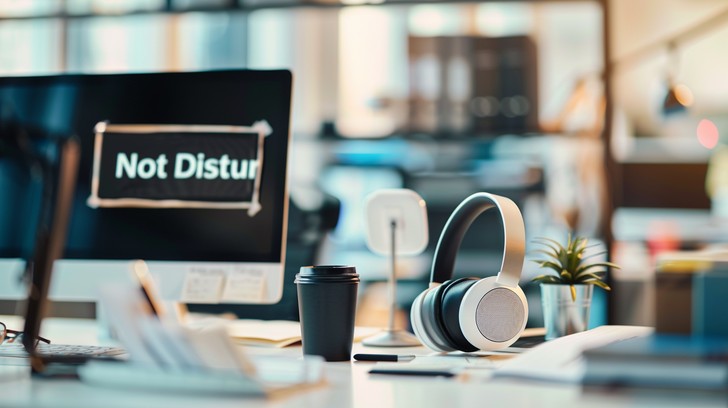
Why Sound Matters for Focus
Your brain is always listening. Even when you think you’re tuning out background noise, your nervous system is still processing it. Sudden sounds, loud conversations, or inconsistent audio patterns activate your stress response and make it harder to stay focused.
Ambient sound tools help by:
- Masking distracting noises with gentle, consistent audio
- Reducing cognitive load by creating predictable sound patterns
- Supporting emotional regulation through calming frequencies
- Helping you enter deep work more quickly
These benefits complement the visual strategies described in gentle color tools that support mood and focus, where sensory softness helps your mind stay grounded.
What Makes Ambient Sound Effective
Not all background audio supports focus. Music with lyrics, fast rhythms, or emotional intensity can be distracting. Effective ambient sound tools share a few key qualities:
- Low stimulation — no sudden changes or sharp sounds
- Predictable patterns — consistent audio that doesn’t demand attention
- Soft frequencies — tones that soothe rather than activate
- Emotional neutrality — no dramatic shifts or emotional cues
- Gentle loops — seamless audio that feels continuous
These qualities help your nervous system settle into a calm, focused state.
The Most Effective Types of Ambient Sound Tools
Below are the categories of ambient sound tools that make the biggest impact on calm focus.
1. Soft nature soundscapes
Nature sounds are among the most effective tools for supporting calm focus. They’re gentle, predictable, and emotionally neutral.
Examples include:
- Rainfall
- Ocean waves
- Wind through trees
- Soft streams or rivers
Why they work: nature sounds mimic environments where your nervous system feels safe.
2. Low‑frequency hums and drones
These sounds create a stable audio foundation that masks distractions.
Examples:
- Soft brown noise
- Low hums
- Gentle atmospheric drones
Why they work: low frequencies help your mind settle and reduce overstimulation.
3. Minimalist ambient music
Ambient music uses slow, spacious tones that support focus without pulling attention.
Examples:
- Soft pads
- Slow synth waves
- Warm, sustained tones
Why they work: they create emotional steadiness without cognitive demand.
4. Gentle rhythmic loops
These loops use slow, predictable patterns that help regulate your nervous system.
Examples:
- Soft tapping
- Slow pulses
- Light percussive textures
Why they work: rhythmic predictability supports deep focus.
How Ambient Sound Supports Calm Productivity
Ambient sound tools don’t just block distractions — they actively support your ability to stay focused and emotionally steady.
1. They reduce cognitive interruptions
Consistent audio masks unpredictable noises that would otherwise break your concentration.
2. They help regulate your nervous system
Soft, steady sound reduces stress and helps your body stay in a calm state.
3. They support smoother transitions
Ambient sound helps you shift between tasks without carrying tension forward.
4. They create a sense of spaciousness
Gentle audio makes your workspace feel calmer and more grounded.
5. They help you enter deep work more quickly
Predictable sound patterns reduce the mental friction of starting a task.
How to Choose the Right Ambient Sound for Your Work
The best ambient sound depends on your current state and the type of work you’re doing.
If you feel tense:
- Choose soft nature sounds
- Try slow rainfall or ocean waves
If you feel overstimulated:
- Use low‑frequency hums or brown noise
- Avoid anything with rhythm
If you feel foggy:
- Use gentle rhythmic loops
- Choose slow, predictable pulses
If you need emotional steadiness:
- Use minimalist ambient music
- Choose warm, sustained tones
How to Integrate Ambient Sound Into Your Workspace
You don’t need a complex setup. A few simple adjustments can make a big difference.
1. Keep volume low
Ambient sound should sit in the background, not dominate your environment.
2. Choose long, seamless loops
Frequent restarts can break your focus.
3. Pair sound with visual minimalism
Combine ambient audio with soft visuals for a deeper calming effect.
4. Use sound during transitions
Ambient audio helps you shift between tasks with less friction.
5. Match sound to your energy level
Use softer tones when tense, rhythmic tones when foggy.
When Ambient Sound Is Most Helpful
Ambient sound tools are especially effective during:
- Morning startup
- Deep work sessions
- Transitions between tasks
- Midday energy dips
- Evening wind‑down
These are the moments when your nervous system benefits most from gentle sensory support.
How to Know Your Ambient Sound Is Working
You’ll notice:
- More consistent focus
- Less emotional friction
- Reduced sensitivity to noise
- A calmer, more grounded mood
- Faster entry into deep work
Ambient sound doesn’t just fill silence — it shapes your mental environment.
Conclusion: Sound Is a Powerful Tool for Calm Focus
Ambient sound tools offer a simple, effective way to create a calmer, more focused workspace. By choosing gentle, predictable audio patterns, you support your nervous system, reduce distractions, and make it easier to stay grounded throughout your day.
In a world filled with noise, intentional sound is one of the most powerful tools you can use to protect your focus.